Implantát: Co to je, když ho potřebujete a co o něm vlastně víte
When you lose a tooth, your body doesn’t just lose a piece of your smile—it loses function, balance, and even the shape of your face over time. A implantát, trvalá zubní náhrada, která se osazuje přímo do čelisti a funguje jako přirozený kořen. Also known as zubní implantát, it is the only solution that stops bone loss and lets you chew, speak, and smile like you never lost a tooth. Unlike bridges or dentures, it doesn’t rely on your other teeth for support. It stands alone, just like your natural tooth used to.
Many people think implants are only for older adults, but that’s not true. If you’ve lost a tooth due to injury, decay, or gum disease, an implant might be your best option—even if you’re in your 20s or 30s. The key isn’t age, it’s bone health. If your jawbone is strong enough, which most people still are after tooth loss, the implant can be placed. If not, modern techniques like bone grafting can rebuild it. You don’t need to live with a gap. You don’t need to accept a removable denture that slips or a bridge that grinds down healthy neighbors. The zubní implantát, trvalé řešení, které integruje se s kostí a vyžaduje stejnou péči jako přirozené zuby is designed to last decades, if not a lifetime.
What about the other options? A zubní most, trvalá náhrada, která opírá o sousední zuby a vyžaduje jejich odbroušení can fill the space, but it weakens healthy teeth. A zubní protéza, souprava, kterou můžete vyjmout, často nezachycuje přirozenou stabilitu a může způsobovat podráždění dásní might feel awkward, especially when you laugh or eat. An implant doesn’t move. It doesn’t need special cleaners. You brush it like any other tooth. And because it prevents bone loss, your face stays fuller, your lips don’t sink in, and you don’t look older than you are.
People often worry about pain or cost. Modern implant procedures are done under local anesthesia—you feel nothing. Recovery is usually just a few days. And while the upfront price might seem high, think long-term. A bridge needs replacement every 10–15 years. A denture every 5–7. An implant? It can last 30+ years with proper care. That’s not an expense—it’s an investment in your daily life. You’ll eat your favorite foods again. You won’t hide your smile. You won’t avoid social situations because you’re self-conscious.
The posts below cover everything you need to know. From how implants compare to other replacements, to what happens if you delay, to why some people choose them over braces or veneers. You’ll find real answers—not marketing. No fluff. Just what works, what doesn’t, and what your dentist actually recommends when they’re not trying to sell you something.
5
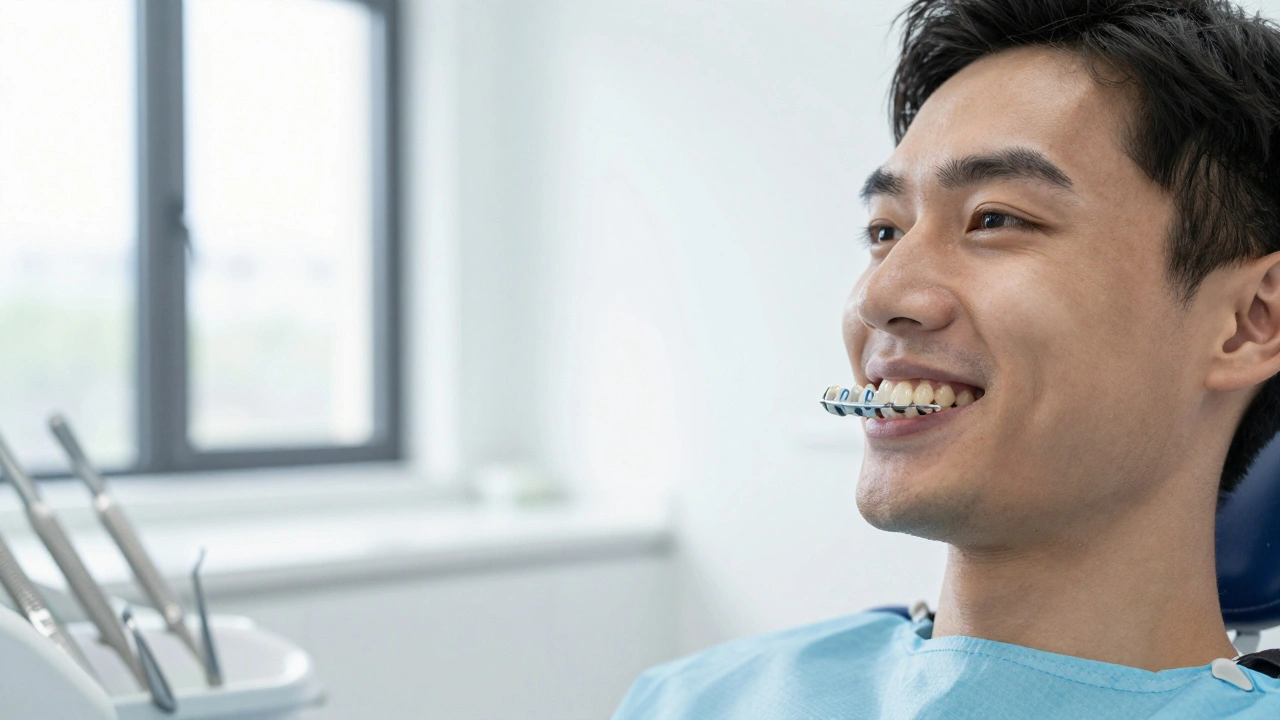
prosinceCo místo implantátu? Alternativy pro ztracené zuby v roce 2025
Chybí vám zub a nechcete implantát? Zjistěte, jaké alternativy existují - od zubních mostů po protézy - a která z nich je pro vás nejlepší v roce 2025.
Nedávné příspěvky
-
 26 říj 2025
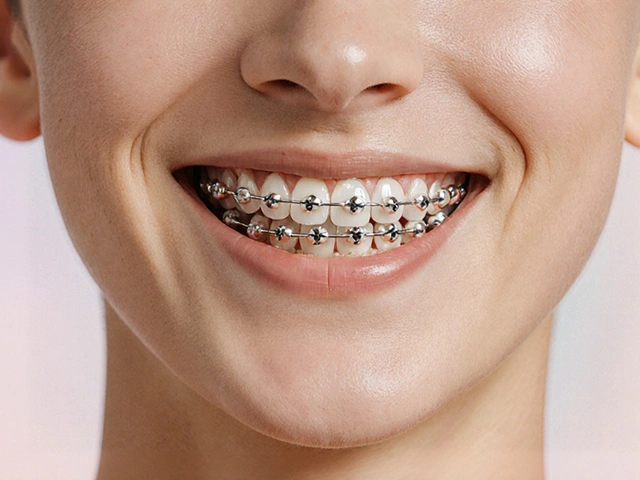
Keramické rovnátka - odpovědi na nejčastější otázky o ceně, délce léčby a údržbě
-
 5 čen 2024
Gumičky na rovnátka: Tipy pro pohodlný spánek
-
 21 říj 2025
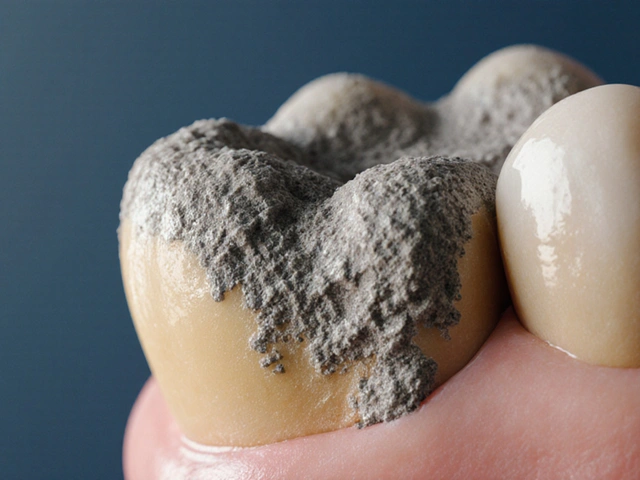
Jak vypadá zubní kámen a jak ho efektivně odstranit
-
 10 led 2024
Napravení křivých zubů během letních prázdnin: kompletní průvodce
-
 15 úno 2026
Keramické zuby: Proč jsou tak populární mezi pacienty v Česku?