Zubní absces: Co to je, jak se projevuje a co s tím dělat
When you feel a throbbing pain in your tooth that won’t go away, even with painkillers, you’re not just dealing with a bad tooth — you’re facing a zubní absces, hnisavá infekce v okolí zubu, která vzniká, když bakterie proniknou do vnitřní části zubu nebo dásně. Also known as zubní hnis, it doesn’t care if you ignore it — it just gets worse. This isn’t just a toothache. It’s your body screaming for help.
A zubní infekce, rozšířená bakteriální infekce, která může způsobit absces starts quietly — maybe with a small cavity, a cracked tooth, or gum inflammation you thought would go away. But if left alone, the bacteria dig deeper, kill the nerve, and trap pus. That’s when the swelling comes, the pain becomes unbearable, and sometimes, even your face starts to puff up. You might also get a fever, bad taste in your mouth, or trouble swallowing. This isn’t normal. It’s dangerous. The infection can spread to your jaw, neck, or even your brain if ignored.
Many people think they can wait it out, or that a home remedy will fix it. But antibiotics alone won’t solve the root problem. You need a zubní lékař, odborník, který může absces otevřít, odstranit hnis a léčit příčinu who can drain the pus, remove the infected tissue, and decide if the tooth can be saved — or if extraction is the only option. And yes, it’s much easier — and cheaper — to fix it early than to deal with emergency visits, hospital stays, or lost teeth later.
Don’t wait for the pain to get worse. If you’ve had a toothache for more than a day or two, or if you notice swelling near your gum or cheek, it’s time to act. The posts below cover real cases: how people missed the signs, what happened when they finally went to the dentist, and how to prevent this from ever happening to you. You’ll find clear advice on spotting early symptoms, understanding treatment options, and protecting yourself from future infections — all based on what actual patients and dentists in Olomouc have experienced.
6
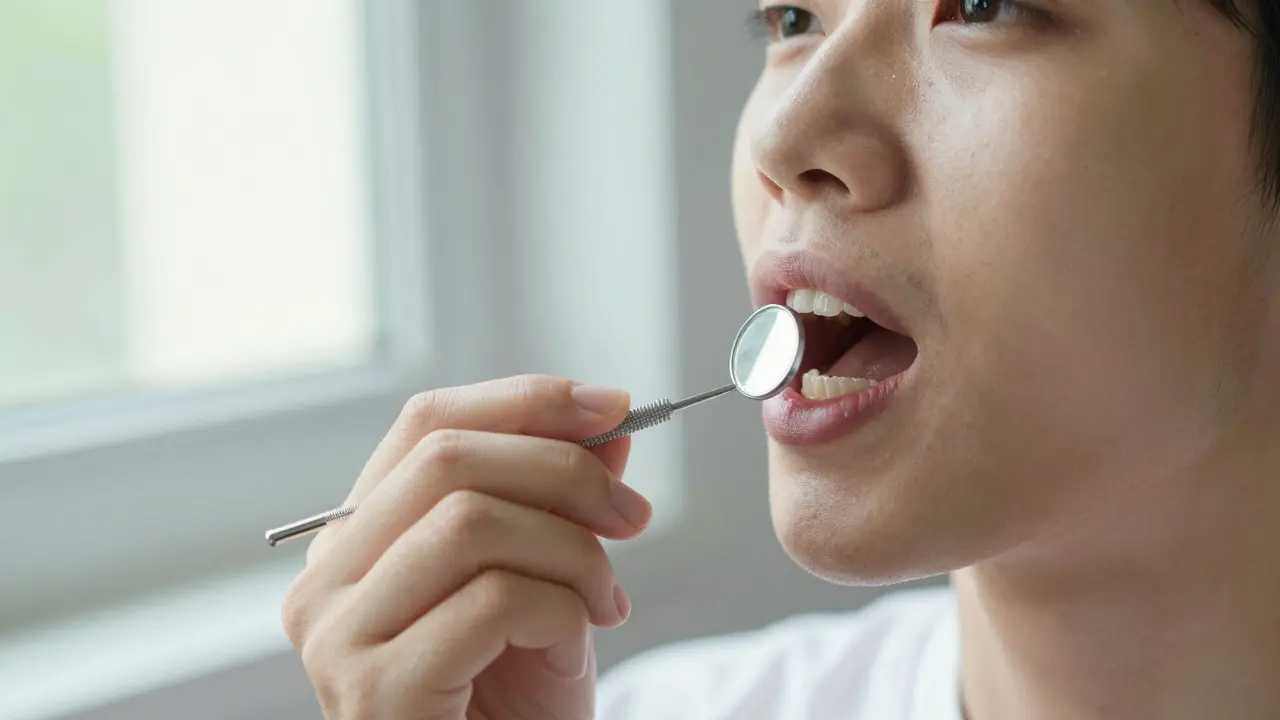
březnaDentální zrcátko: Jak ho používat pro kontrolu stavu zubních abscesů
Dentální zrcátko je jednoduchý nástroj, který vám pomůže včas detekovat zubní abscesy. Naučte se ho správně používat, abyste viděli změny na dásních a zabránili vážným infekcím. Pravidelná kontrola může zachránit zuby a vyhnout se bolesti.
23
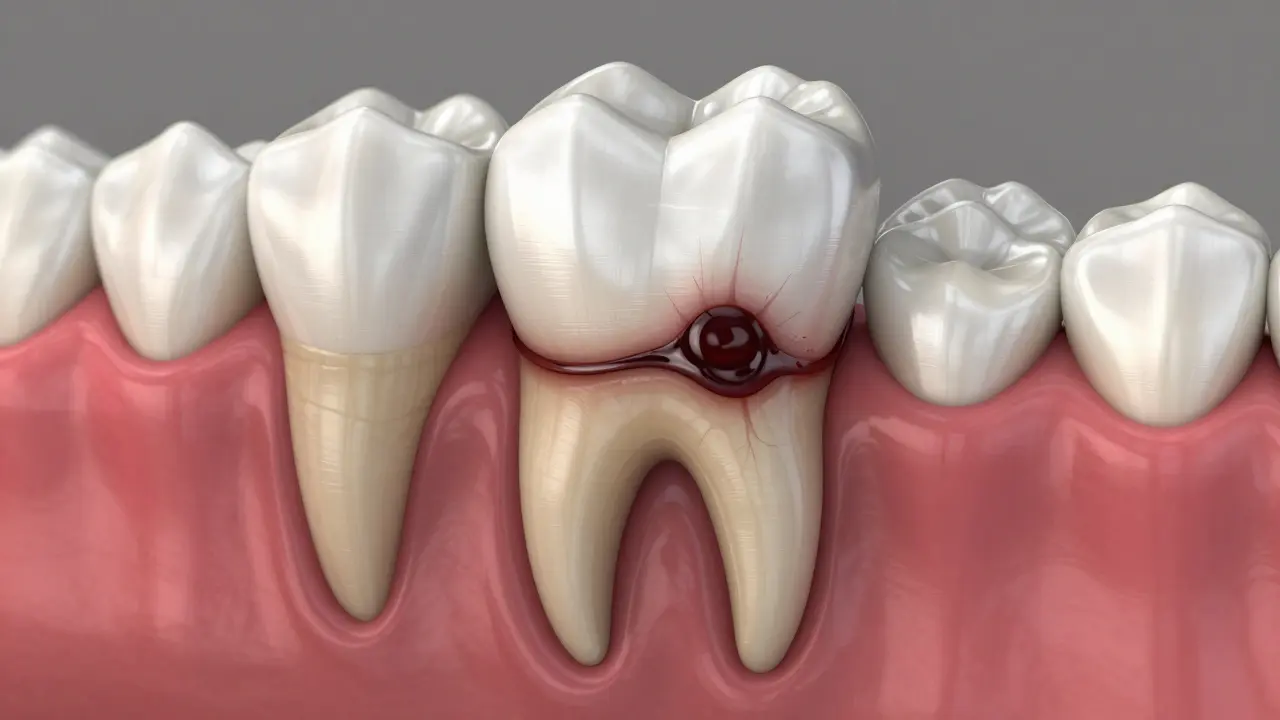
prosinceJak léčit zánět okostice zubu: příčiny, příznaky a efektivní řešení
Zánět okostice zubu způsobuje ostrou bolest předních zubů a může vést k ztrátě zubu. Zjistěte, jak ho rozpoznat, co dělat hned a proč je nutné jít k zubnímu lékaři - nejen domácí léky.
11
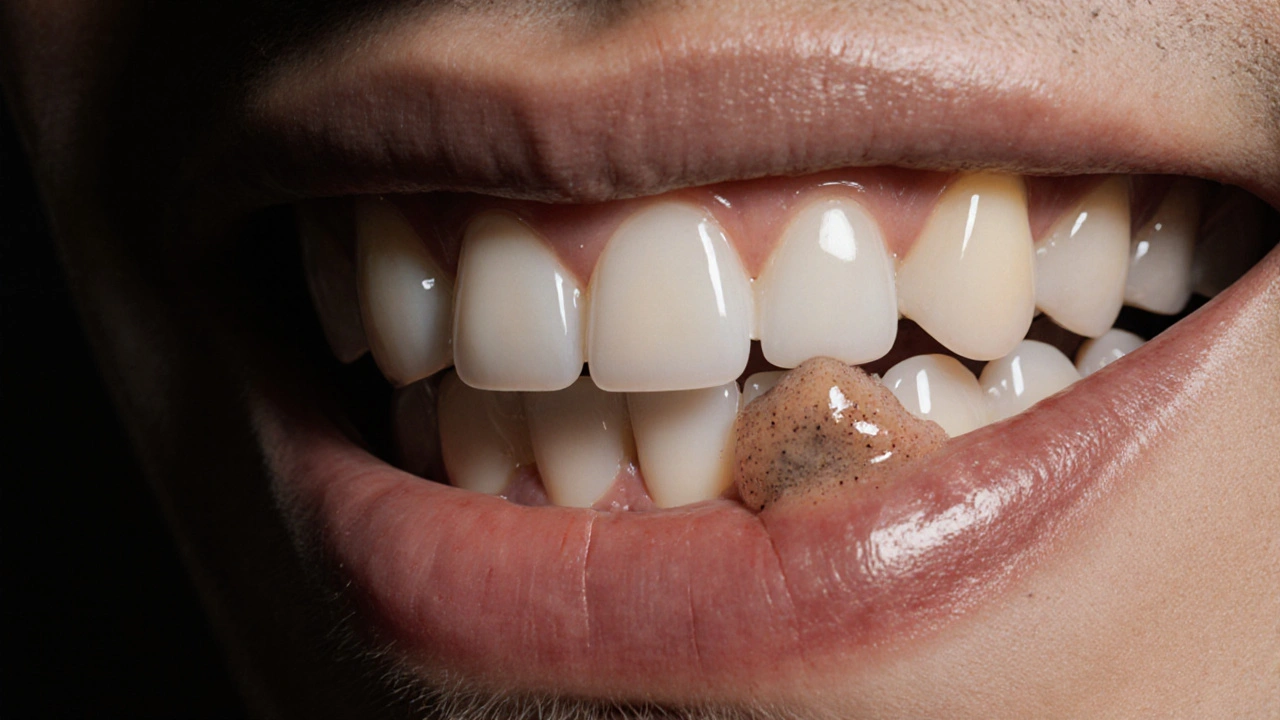
listopaduJak poznat hnis v zubu? Příznaky, které nemůžete ignorovat
Hnis v zubu je nebezpečná infekce, která se často projevuje bolestí předních zubů, zápachem z úst nebo výběžkem na dásni. Zjistěte, jak ho poznat, co dělat a proč ho nesmíte ignorovat.
Nedávné příspěvky
-
 21 pro 2025
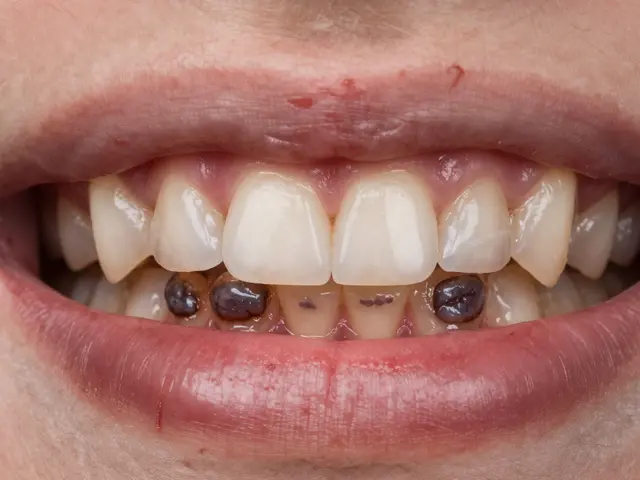
Jak poznat hluboký kámen na zubech a co s ním dělat
-
 30 kvě 2024
Jak připravit dítě na vrtání zubu: Praktické tipy a rady
-
 11 říj 2025
Prasklý kořen zubu - jak rozpoznat příznaky a co dělat dál
-
 23 říj 2025
Zubní fazety - co jsou, typy a jak fungují
-
 7 úno 2026
Keramické fazety: Jaké jsou možnosti splátkového plánu