Zubní mosty: Co to je, když je potřeba a co je lepší místo
When you lose a tooth, your options aren’t just about filling a gap—they’re about protecting your whole mouth. A zubní most, trvalá náhrada ztraceného zubu, která se opírá o sousední zuby. Also known as zubní protéza, it’s a bridge of crowns that spans where a tooth is missing, anchored to the teeth on either side. It sounds simple, but it’s not always the smartest move. Many people think a bridge is the only way to replace a missing tooth, but it’s not the only—and sometimes not even the best—option. You’re not just replacing a tooth; you’re changing how your whole mouth works.
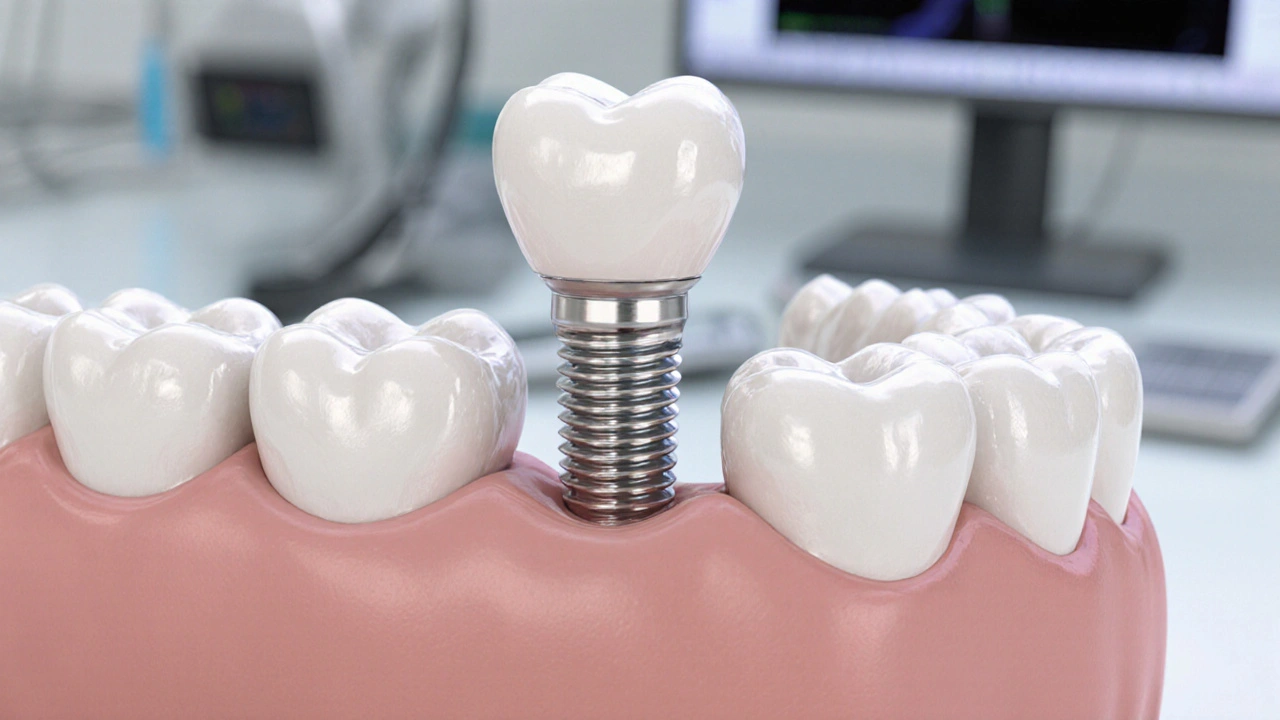
Every zubní korunka, krytka, která obaluje poškozený nebo upravený zub on a bridge has to be ground down. That means healthy teeth get damaged just to hold the bridge in place. Over time, those supporting teeth can weaken, get decay under the crown, or even need root canals. And if one of those anchor teeth fails, the whole bridge collapses. It’s like building a house on two pillars—if one falls, the whole roof comes down. That’s why many dentists today prefer implantáty, samostatné náhrady zubů, které se zasazují přímo do čelisti. They don’t touch your neighbors. They act like real roots. And they stop the bone from shrinking where the tooth is gone.
Not everyone is a candidate for an implant. Sometimes your bone is too thin, or you’re on certain medications. That’s when a bridge still makes sense. But even then, you need to know what you’re getting into. A bridge lasts 10–15 years, maybe longer if you care for it. But it needs perfect hygiene. Flossing under a bridge isn’t easy—you need special threaders or interdental brushes. And if you skip cleaning, plaque builds up fast under the crowns, and the anchor teeth rot from the inside. You won’t feel it until it’s too late.
There’s also the cost. A bridge might seem cheaper upfront than an implant. But if the anchor teeth fail in five years, you’re back to square one—with higher costs and less bone left to work with. An implant costs more at first, but it’s a one-time investment. It doesn’t rely on other teeth. It doesn’t wear them down. It just works.
And let’s talk about what happens when you skip replacing a missing tooth at all. The teeth next to the gap start leaning into it. The tooth above or below drifts out of place. Your bite changes. Your jawbone shrinks. Your face starts to look sunken. That’s not just an esthetic problem—it affects how you chew, how you speak, even how you breathe. That’s why replacing a tooth isn’t optional. It’s essential.
So when you’re deciding between a bridge, an implant, or doing nothing, ask yourself: What’s the long-term cost? Not just money. But your health. Your comfort. Your smile. The posts below break down real cases—people who chose a bridge and regretted it, those who went with implants and never looked back, and others who learned too late what happens when you ignore a gap. You’ll find out what dentists actually recommend today, not what they used to say ten years ago. And you’ll see exactly what to ask your dentist before you sign anything.
14
listopaduNejlepší zubní náhrady pro prevenci mezizubního kazu - co skutečně funguje?
Nejlepší zubní náhrady pro prevenci mezizubního kazu jsou implantáty - obnovují přirozenou strukturu úst a minimalizují riziko kazu. Alternativy jako mosty nebo protézy vyžadují přesnou výrobu a důkladnou péči.
Nedávné příspěvky
-
 26 říj 2025
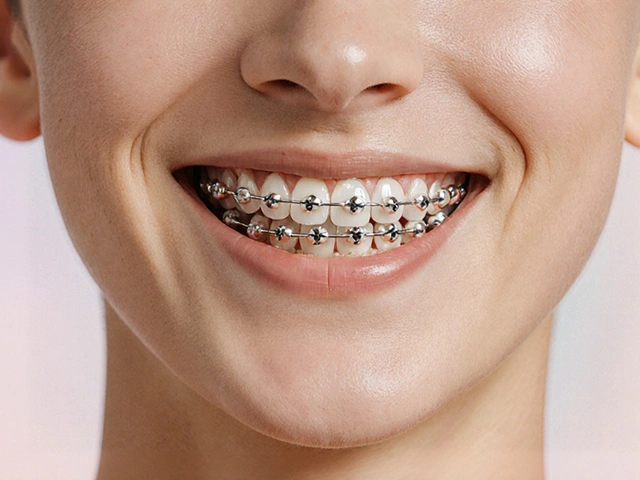
Keramické rovnátka - odpovědi na nejčastější otázky o ceně, délce léčby a údržbě
-
 12 říj 2025
Nejlepší tipy pro zdravé dásně - co a jak použít
-
 17 led 2026
Jak funguje můstek na zuby a kdy je vhodný výběr?
-
 29 lis 2023
Jak efektivně zvládnout bolest předních zubů během studijního období
-
 1 pro 2025
10 důvodů, proč zvolit zubní fazety pro dokonalý úsměv